A six-year-old girl’s behaviour gradually begins to changes. She grows quiet, reserved, and shies away from other children. One day she starts talking to an imaginary playmate.…
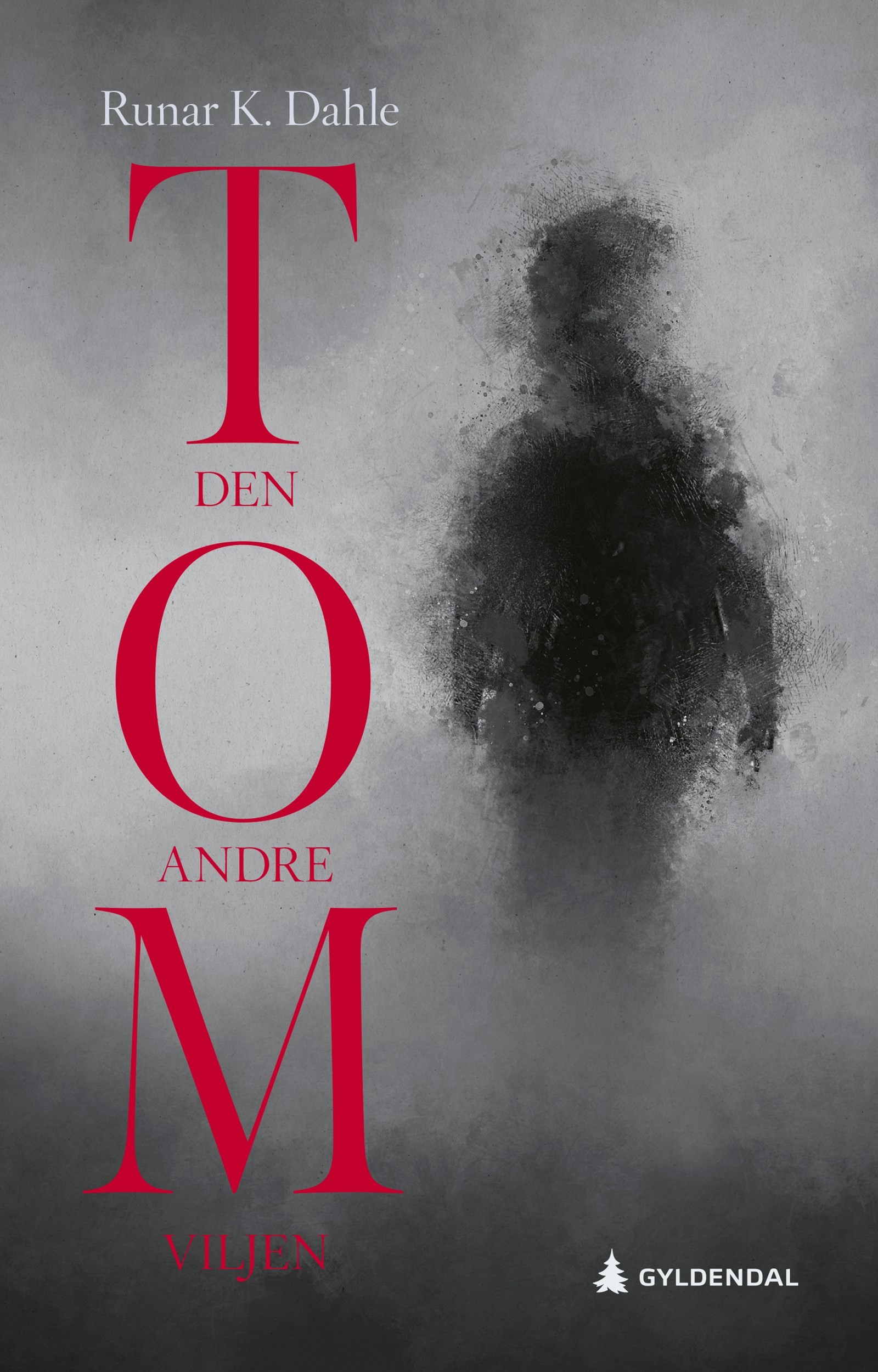
A six-year-old girl’s behaviour gradually begins to changes. She grows quiet, reserved, and shies away from other children. One day she starts talking to an imaginary playmate. She calls him Tom.
Her parents are told that the imaginary friend is a positive sign, but they remain worried. Their daughter speaks of a stern pretend-friend who acts in aggressive and frightening ways. Soon he also begins to tell her what to do, and the small family’s life really begins to fall apart. They are being dragged towards a world devoid of all but fear.
In parallel, another story plays out that seems to be gravitating towards the same void. It begins with a strange phenomenon one autumn evening in Bodø in 1902: Darkness falls, but it doesn’t get dark. A stonemason fills his pockets with stone and wades out into Vågøy lake. A psychiatrist begins using Jung’s methods and is forced to leave his job at the asylum and move to Bergen. Two generations later, his grandson has isolated himself in the cellar of the psychiatrist’s villa and is making preparations to face up to the consequences of an innovative ideological belief.
An elegant and original horror novel about madness, artificial intelligence and the tragicomic history of psychiatry.
Cathrine Krøger, DagbladetSometimes books have a richness that’s contagious — and right now I’m feeling flush. [...] Dahle has written an almost gothic tale about apparently trivial circumstances in which room upon room opens up, sending chills down the spine and making us wonder where we’re going next. [...] He elevates his subject matter into material that is in itself exceptional literary reading, execution and exploration, and with that the reader is given the chance to remain up there, and download, rather than starting out into an autobiographical or introverted swamp and uploading. In these times, it’s liberating.
Ingvild Bræin, Dag og TidWell composed, fascinating, and creepy – about imaginary friends, psychiatry and artificial intelligence. [...] Solidly and ingeniously, Runar K. Dahle pieces the individual parts together into a thought-provoking and entertaining whole where it isn’t always easy to tell whether it’s the story about Christine or the one about psychiatry that is the actual horror story. But in any case, the ending will be capable of sending cold shivers through even the most hardened of readers.
Sigmund Jensen, Stavanger Aftenblad