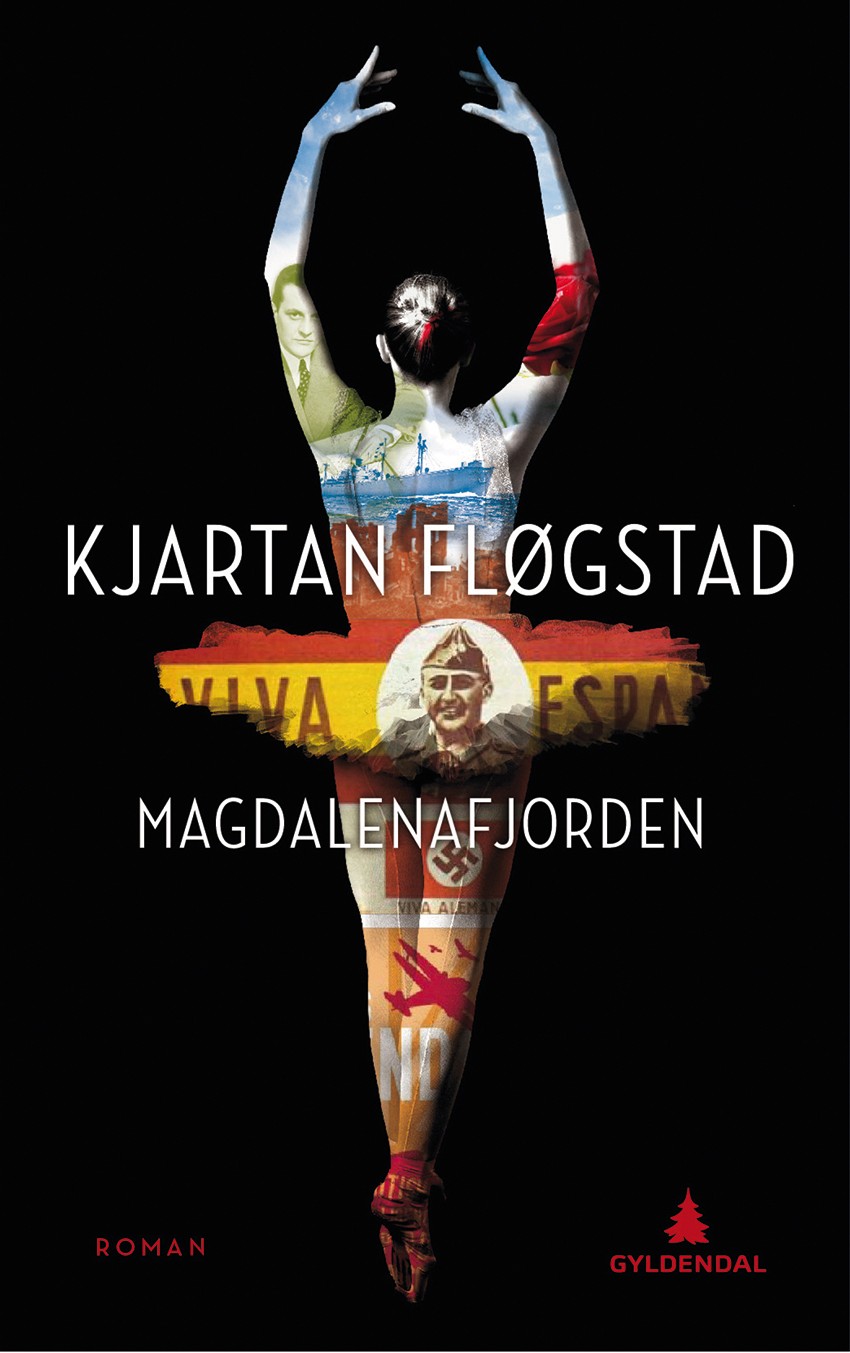
The Magdalena Fjord
By Kjartan Fløgstad
Shortlisted for the Brage Prize 2014 Adi Enberg, Marina Noreg, Magdalena Freud Joyce: three enigmatic and complex women who set their stamp on – and were fatally marked by – the…
Description
Shortlisted for the Brage Prize 2014
Adi Enberg, Marina Noreg, Magdalena Freud Joyce: three enigmatic and complex women who set their stamp on – and were fatally marked by – the times they lived in.
Set in the fateful years between 1939 and 1942, The Magdalena Fjord is a multi-layered contemporary novel about our recent past. The story stretches from Narvik up North via a fictitious Lovra to a Spain darkened by the clouds of Fascism. While the world is being ravaged by war, the young shipping heir Conrad Tandem embarks on a business trip that will lead him straight through Europe, from south to north. A couple of decades later the adolescent sailor Frank ”Keu” Tverrli is denied shore leave in the US. He compensates by turning into a giant who moves cars with his bare hands, chews knife blades and spits nails. In addition to being a giant, he is acquainted with The Prince of Asturias and the Catalan writer Josep Pla, not to mention a multitude of women, some fictional, some historical, some faithful and some faithless.