THE ART OF WALKING
The language and inventiveness of this novel are quite unique in modern Norwegian literature.
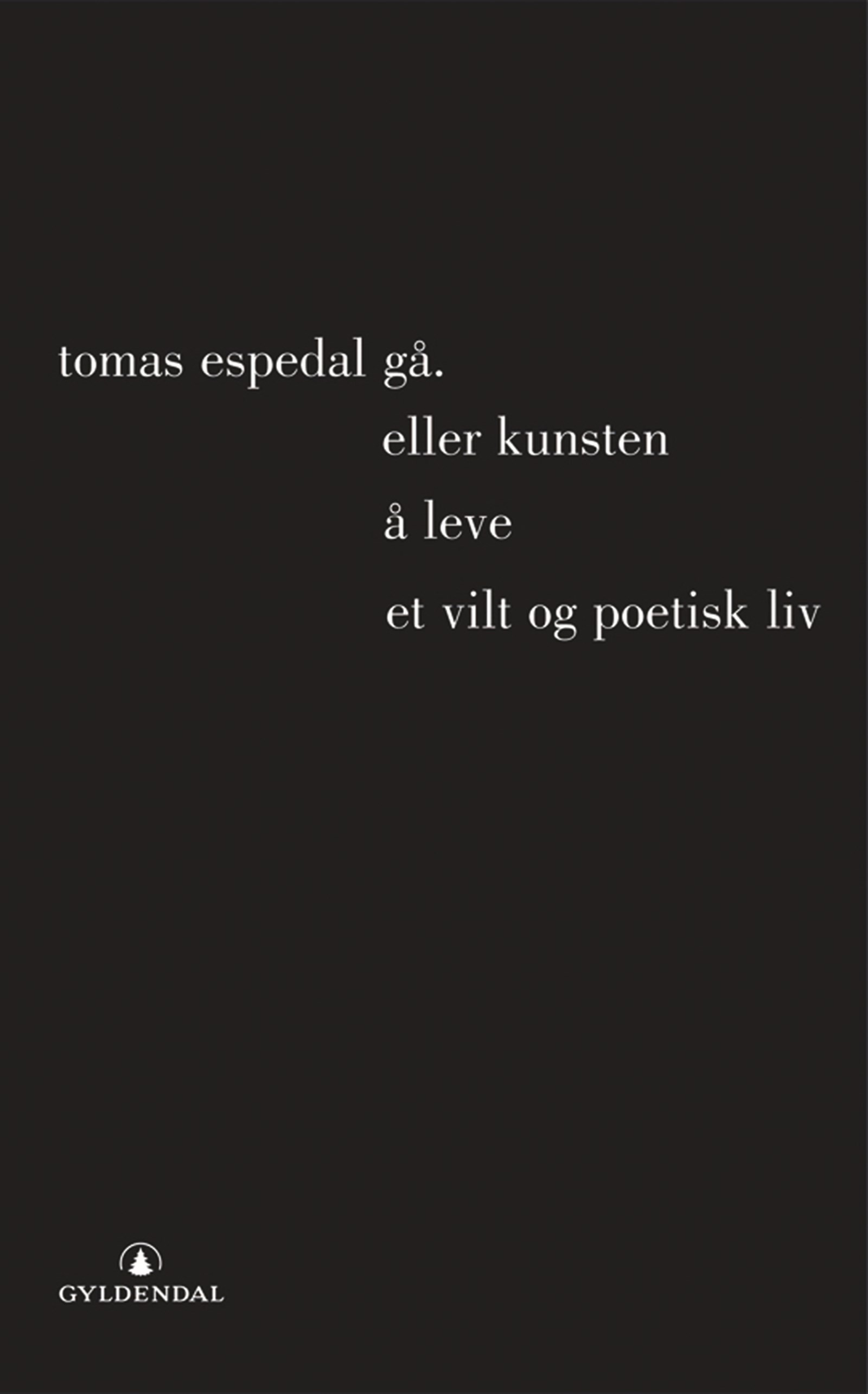
Serious walking can be quite different from going for a stroll; walking can be an immense stimulation of ideas and perceptions, but it can also be, quite literally, bloody hard work.
The many possibilities opened by walking are the theme of Tomas Espedal’s new book. The art of walking has had vociferous advocates from the fields of philosophy, art and particularly literature. It was a very highly prized discipline in the Romantic period. The whole of our cultural heritage is full of paths and possibilities, walkers and discoverers who have given our civilisation heightened insights.
Rebellion and Reaction.
Espedal’s book is as much a portrayal of physical walks in Norway, and further south, usually long, usually strenuous, complete with blisters, blood and sweat, as it is a journey in civilisation and culture. The language and inventiveness of this novel are quite unique in modern Norwegian literature. Stylistically, the finest parts are eloquent lyrical prose and we hark back to the silver clarity of Hamsun’s writing, but we can also hear the harsher tones of Hamsun’s criticism of modern, nouveau riche society. I am not implying imitation here but kinship (which Espedal would probably have rejected). Even walking, leaving a place behind you, can be seen as a departure from that which is established, and the walker as a rebel against stubbornly held positions and attitudes. The book is situated somewhere in the mist between rebellion and reaction.
Evocative Language
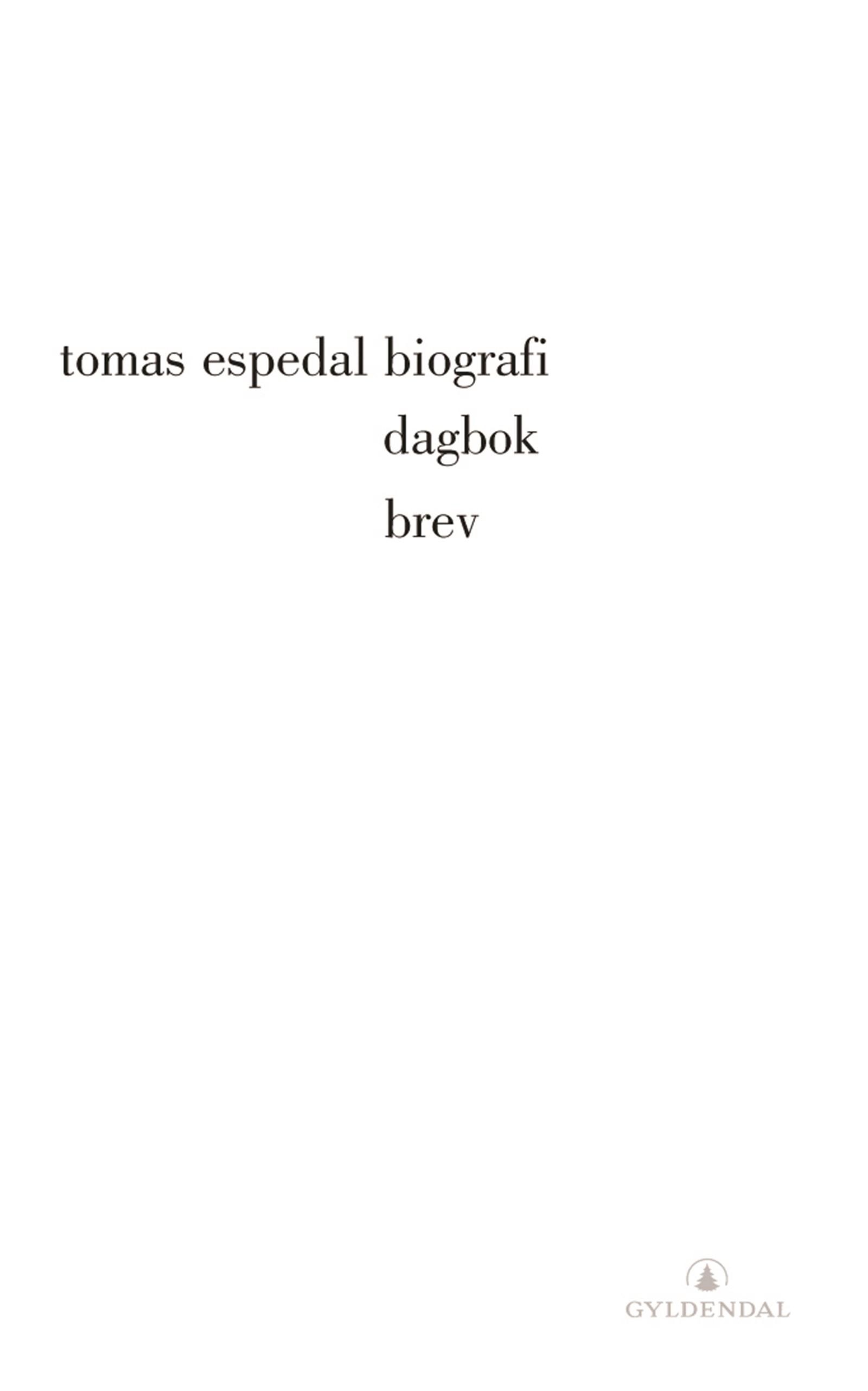
The Art of Walking is also a journey through the history of literature and ideas, and it works on three levels, which are difficult to disentangle: autobiographical, fictional/poetic and essayistic, which in turn are interwoven into a book which defies categorisation. And how does defining the genre help us, when we have a book to empathise with and, indeed, to move us? Of course it is the language that moves us and Espedal is very aware of how fiction and life can converge. He showed that in his previous books, in Biografi [Biography], Dagbok [Diary] and Brev [Letter] (1999-2005), which I suppose may be called a series of novels. Presumably Kunsten å Gå [The Art of Walking] would be considered part of this series, as there are a number of references in it to the Tomas, the ex-big brawler and boxer, the novel’s ‘hero’ with the same name as the writer, who also writes and walks.
Intense Artistic Writing.
I have underlined and added exclamation marks to several paragraphs, sentences and phrases in this book as glowing examples of art and surpass the majority of what is accepted as zeniths of modern Norwegian literature. It is quite incomprehensible to me that Tomas Espedal is still an unfamiliar name to both the reading public and otherwise well-informed high school teachers of Norwegian. However, the chance is still there to read something new, something sensational, intense artistic writing matched with great erudition. For we are also offered wonderful mini-essays about Rousseau, Rimbaud, the Lake District-writers (Wordsworth, Coleridge, etc), Olav Nygard, Kierkegaard and the Greek philosophers, Kant and Nietzsche, Hölderlin and Baudelaire – just to mention a few of the poets and thinkers Espedal muses on while walking.