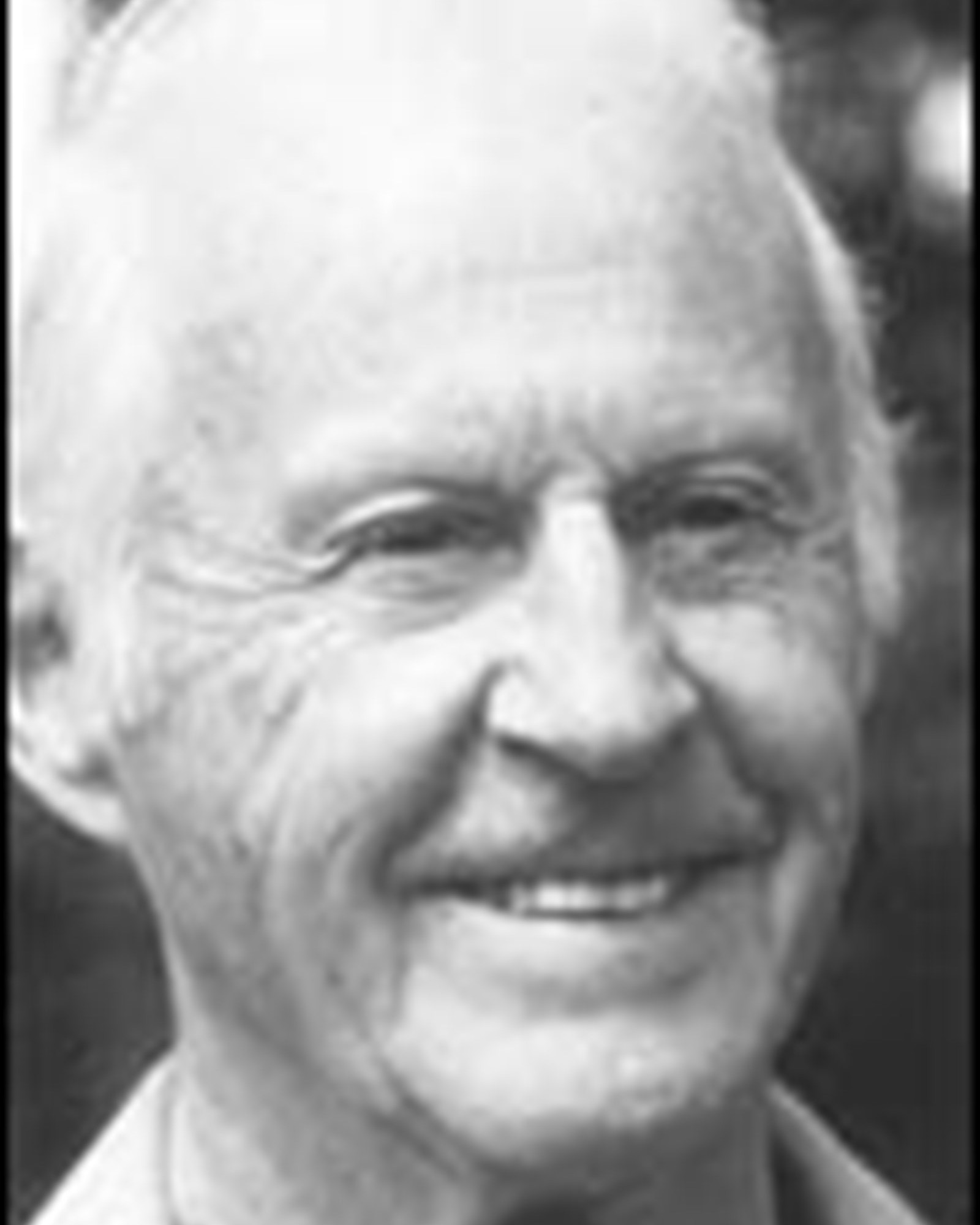
Thor Heyerdahl
His amazing carrier as both a scientist and an adventurer started with an expedition to the island Fatuhiva back in 1937, where Heyerdahl and his first wife, Liv, went for their honeymoon. Originally, the newlyweds planned to spend the rest of their lives on the island in order to live life close to nature and keep the cilvilization at a long distance. Their plans didn't quite turn out that way, but Fatuhiva became the birth place for Heyerdahl's first theories, scrutinizing the possibility of sea voyages creating contact between separate cultures.
Heyerdahl is most famous for his revolutionary and highly courageous Kon-Tiki expedition in 1947. His aim was to prove that Polynesia could have been populated by Indians from South-America, using a balsa raft for transportation. The rest is history – a company of six on a small raft for 101 days and nights, 4,300 miles in open sea, achieving the impossible. The amazing story about this dramatic journey was first published in 1948, The Kon-Tiki Expedition, and became one of the 20th century's great international best sellers, sold to more than 70 countries, and still counting! The book hit the best seller lists again after the movie success in 2012.
In 1955 Heyerdahl entered the Easter Island, following his childhood dream of exploring its gigantic statues, with scientific results that went beyond his bold expectations. This journey led to the book titled (1957). Heyerdahl's travels did not end with Kon-Tiki. In 1969–1970 Heyerdahl built two papyrus boats, and , and tried to cross the Atlantic Ocean from Morocco. He and the other members of the expedition accomplished the task on their second attempt. In 1977, with the expedition, he attempted to sail from Egypt to the Indian Ocean and down to the African Horn, claiming that trade and migration could have linked Mesopotamia with the Indus Valley Civilization in what is now Pakistan. The book about their travel was published first in 1979, and is a capturing story from this adventurous journey.